


Failure to perform suspension repairs can be unpleasant, especially when you drive on bumpy, rough roads, and may damage your vehicle’s suspension system over time. The car suspension system may also cause faults that can significantly affect your car’s overall performance, reduce safety, and accelerate wear and tear, potentially leading to more costly repairs.
If you have been hearing unusual noises while driving, such as a bouncing vehicle or a vibrating steering wheel, it may be time to repair the suspension system, shocks, and struts. This guide educates you about suspension repair in Edmonton, as well as gives you some helpful tips that will guide you to know when your car requires a quick fix.
Defining Suspension Repair
The car’s suspension system consists of several components that provide stability and support, ensuring safety, comfort, and a smooth ride. These components consist of the shock absorbers, ball joints, struts, control arms, and springs.
When any of these elements cause a malfunction or breakdown and need to be changed or repaired, then suspension repair Edmonton is needed. The repair process includes a comprehensive examination of the entire system and the repair or replacement of all damaged components.
Shocks and How They Function
Shocks, as they are otherwise known, are components of the suspension of a car that cushion the effect of vibrations that are caused when your car hits bumps or an uneven road surface.
Different levels of resistance are provided by the shocks as they compress and rebound, providing smooth motion. You should also have working shocks installed in your car, which are comfortable during driving and help prevent unnecessary wear on other car parts.
Struts and How They Operate?
Another part of a car’s suspension system is the strut, which is typically used in smaller cars with the McPherson strut system. A similar purpose of the struts is to dampen shocks from the suspension system.
Struts are an engineering component of the suspension that support the wheels, and they may include a spring (shocks do not necessarily have one). Broken struts are typically noticeable when the car exhibits excessive bouncing.
Symptoms Of Broken Suspension and How to Fix It
It is critical to understand that suspension repair is necessary when it is unsafe. A few signs of a faulty suspension system include a car that bounces too much when you drive over a bump, unusual noises, steering issues, and irregular or excessive wear and tear.
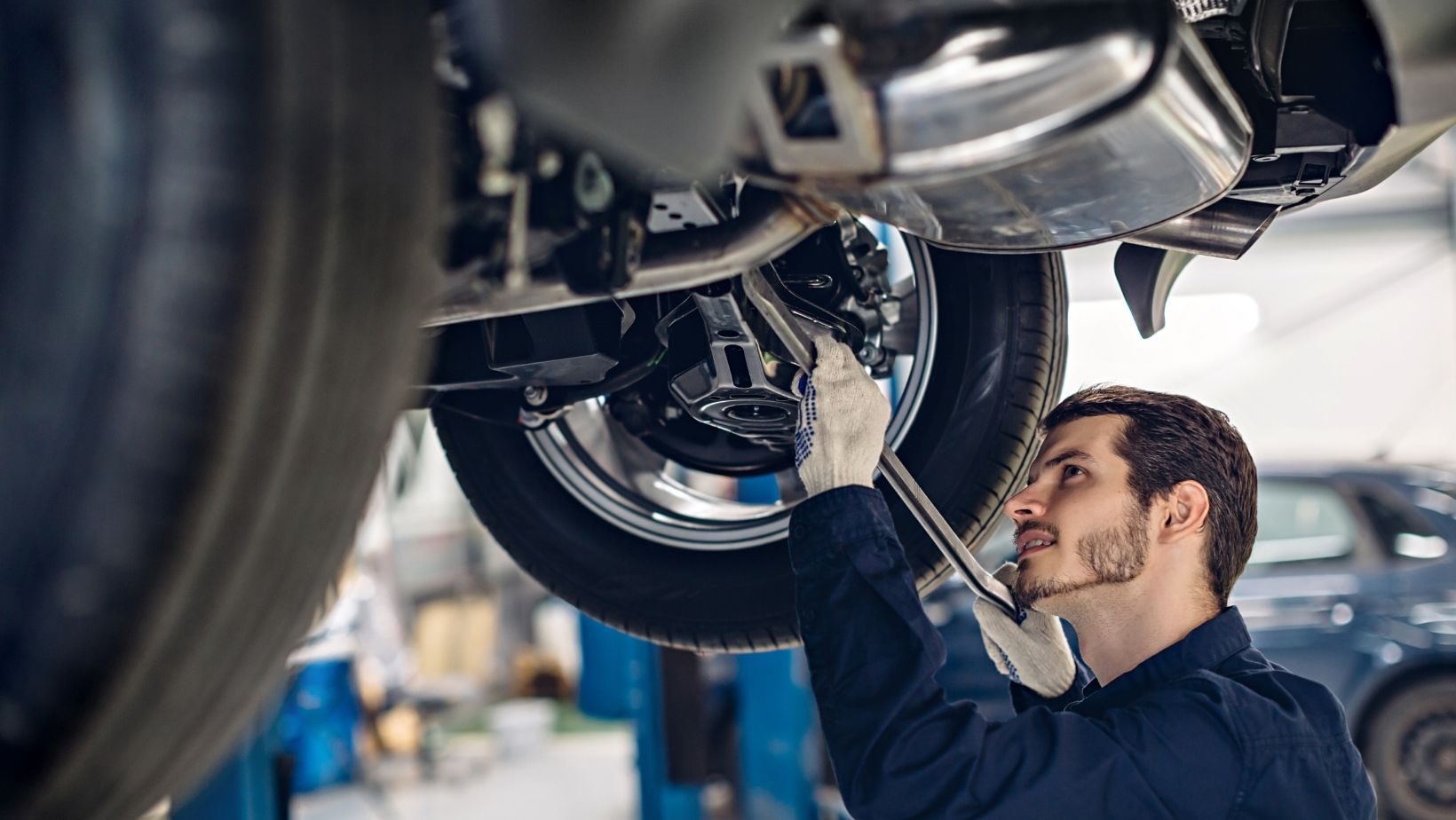
If you notice any of these signs, take your vehicle to your car specialist for a suspension check as soon as possible.
Make an Appointment for Struts and Shocks Repair
If you suspect the shocks, struts, or the entire suspension system have been damaged, take the vehicle to a repair clinic to have the damaged parts repaired or replaced.
This will not only enhance comfort on your ride but also save you time and prevent additional damage to other parts of the vehicle. Professionals recommend replacing your struts and shocks every 50,000 miles.
The rate at which you would require repairs, however, is dependent on the model of your car, the way you drive, and whether you drive in rough terrain or not. See your mechanic to check whether there is something wrong.
Suspension, shock, and strut repairs are vital to your car’s overall performance. The suspension system can prevent significant damage and costly repairs through regular maintenance and inspection.
By following such tips and taking your car to an auto repair shop regularly, you will be able to take care of your suspension system and enhance the life of your vehicle and the general safety of your car, as well as offer a good driving experience to both yourself and your car occupants.

Other Articles

Most Common Road Dangers Motorcyclists Need to Watch Out For
5 Safety Features Every Malaysian Online Casino Must Have