


Speeding is one of the most common causes of serious car accidents. Many drivers do not realize how dangerous driving too fast can be. When speed limits are ignored, the risk of life-changing injuries goes up fast.
An accident caused by a speeding driver often leads to costs that go far beyond hospital bills. At first, most people think only about visible injuries and car damage. But the real impact of a speeding accident often shows up weeks, months, or even years later. These hidden costs can affect your health, finances, and daily life in ways you never expected.
Medical Costs That Keep Growing
After a speeding accident, emergency treatment is usually just the beginning. Victims may need follow-up doctor visits, physical therapy, or surgery. Some injuries, like back pain or head trauma, do not fully show symptoms right away.
Medical costs can include:
- Ambulance and emergency room care
- Hospital stays and specialist visits
- Medications and medical equipment
- Long-term rehabilitation
Even with insurance, out-of-pocket expenses can grow quickly. Copays, deductibles, and uncovered treatments can create serious financial stress.
Lost Income and Reduced Work Ability
Many injury victims are unable to return to work right away. Some may miss weeks or months of income. Others may never return to the same type of job again.
Lost income includes:
- Missed wages during recovery
- Used vacation or sick days
- Reduced hours or job loss
- Lower earning ability in the future
For families living paycheck to paycheck, this loss can be devastating. Bills still come due, even when paychecks stop.
Emotional and Mental Health Struggles
The emotional toll of a speeding accident is often overlooked. Many victims experience anxiety, depression, or post-traumatic stress after a crash. Fear of driving or riding in a car is common.
Mental health treatment may involve:
- Therapy or counseling
- Prescription medications
- Time off work for recovery
These costs are real and can affect relationships, sleep, and overall quality of life.
Pain, Suffering, and Lifestyle Changes
Pain does not always fade quickly. Chronic pain can limit movement and daily activities. Simple tasks like lifting groceries or playing with children may become difficult.
Lifestyle changes may include:
- Giving up hobbies or sports
- Needing help with daily tasks
- Losing independence
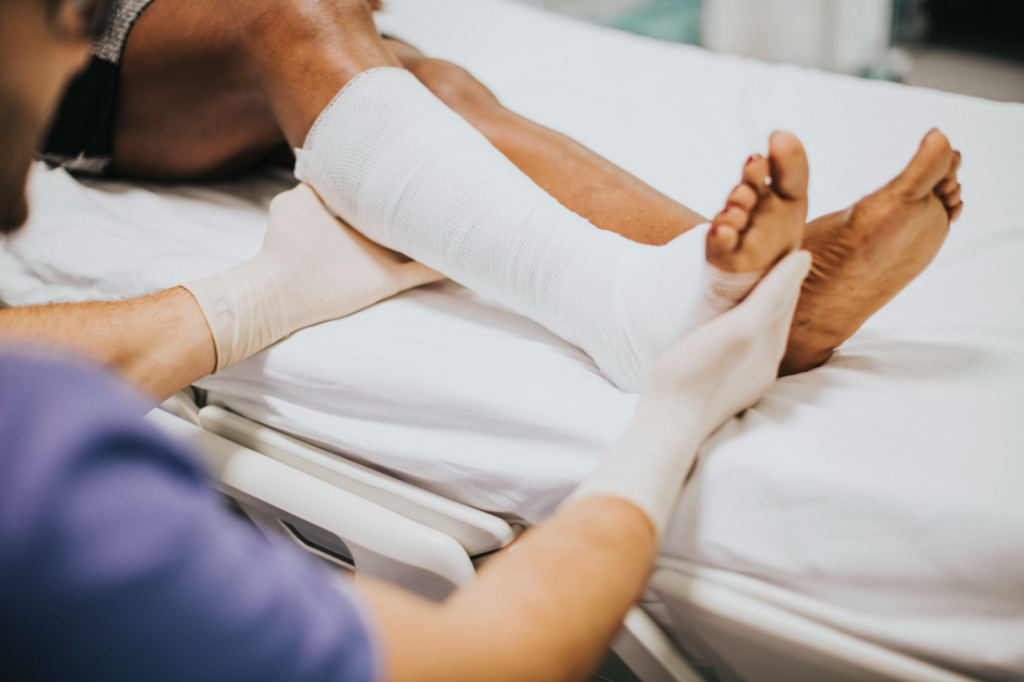
These losses do not come with receipts, but they deeply affect how someone lives every day.
Vehicle and Property Damage Expenses
Speeding accidents often cause severe vehicle damage. Repairs may take weeks, and sometimes vehicles are totaled. During this time, victims may need rental cars or alternative transportation.
Extra costs may include:
- Car repairs or replacement
- Rental car fees
- Towing and storage costs
These expenses add up quickly, especially if insurance disputes delay payments.
Impact on Family Members
Injuries affect more than just the person hurt in the crash. Family members may need to take time off work to provide care. Children may experience emotional stress seeing a loved one injured. This ripple effect can strain households emotionally and financially. Support systems often need to adjust to new responsibilities and challenges during recovery.
Why Accountability Matters
Speeding is a choice, not an accident. When drivers choose to speed, they put everyone at risk. Holding speeding drivers accountable helps victims recover the full cost of their injuries and losses.
Understanding these hidden costs is important when seeking fair compensation. A quick settlement may not cover long-term needs. It is crucial to consider all potential expenses before accepting any offer.
Summary Box
- Ongoing medical and rehabilitation expenses
- Lost wages and reduced future income
- Emotional trauma and mental health care
- Chronic pain and lifestyle limitations
- Vehicle repair and transportation costs
- Financial and emotional impact on families

Other Articles

How Gaming Hardware and Peripherals Affect Player Performance
Most Common Road Dangers Motorcyclists Need to Watch Out For
