


Modern gaming has long gone beyond simple entertainment and has turned into an environment of intense competition. Every detail matters here — from a player’s reaction speed to the quality of the equipment they use. Gaming hardware and peripherals can either help unlock a player’s full potential or become a serious obstacle on the path to victory. That is why the question of how technology affects performance is becoming increasingly relevant. In this article, we will look at how different components of a gaming setup influence gameplay efficiency.
The Impact of Gaming Hardware on Player Performance
In modern gaming, victory depends not only on a player’s talent and experience. Technical equipment plays an increasingly important role, especially in competitive disciplines. A powerful computer, a high-quality monitor, and well-chosen peripherals create comfortable conditions for gameplay and help avoid unnecessary mistakes. That is why analytical materials and news, including platforms such as EGW news, often emphasize that hardware can be a hidden advantage or a serious disadvantage.
For professional players, equipment is the same kind of tool as a racket for a tennis player or a car for a race driver. If this tool works unstably or does not meet the game’s requirements, the result inevitably suffers. Even at the amateur level, the difference between a weak and a well-configured setup is felt very quickly.
At the same time, it is important to understand that technology does not play instead of the person. It only helps to realize potential, making gameplay smoother, more accurate, and more predictable. This balance between skill and equipment is what determines steady progress.
System Performance and Its Influence on Gameplay
The foundation of any gaming setup is a computer or console. The processor, graphics card, and RAM determine how quickly the game processes information and displays it on the screen. High and stable FPS allows the player to clearly see enemy movements and react faster to events. If frames drop, the image feels “choppy,” which negatively affects concentration.
In competitive games, the delay between a player’s action and its appearance in the game is critical. Even a small input lag can cause a lost duel or a missed moment. A powerful system minimizes such delays, making control more precise and predictable. This is especially important for first-person shooters and fighting games.
It is also important to remember stability under load. Long gaming sessions, tournaments, or streams can heavily heat up the system. If the computer overheats or starts reducing frequencies, performance drops. Reliable cooling and a balanced configuration help avoid these problems and maintain a stable level of play over long periods.
The Importance of the Monitor and Visual Quality
The monitor is a key element of a player’s interaction with the game. Refresh rate directly affects image smoothness. Monitors with 144 Hz, 240 Hz, or higher allow players to see more intermediate frames, making movements clearer and more natural. In fast-paced games, this provides a noticeable advantage.
Response time of the panel also matters. The lower it is, the faster pixels change color and the less motion blur appears. This helps to identify targets more clearly, especially at long distances. For professional players, such details can influence the outcome of an entire map or match.
In addition to technical characteristics, eye comfort is also important. Accurate color reproduction, proper brightness, and contrast reduce eye strain during long gaming sessions. When eyes get less tired, players can maintain focus longer and make more balanced decisions.
Peripherals: Mouse, Keyboard, and Ergonomics
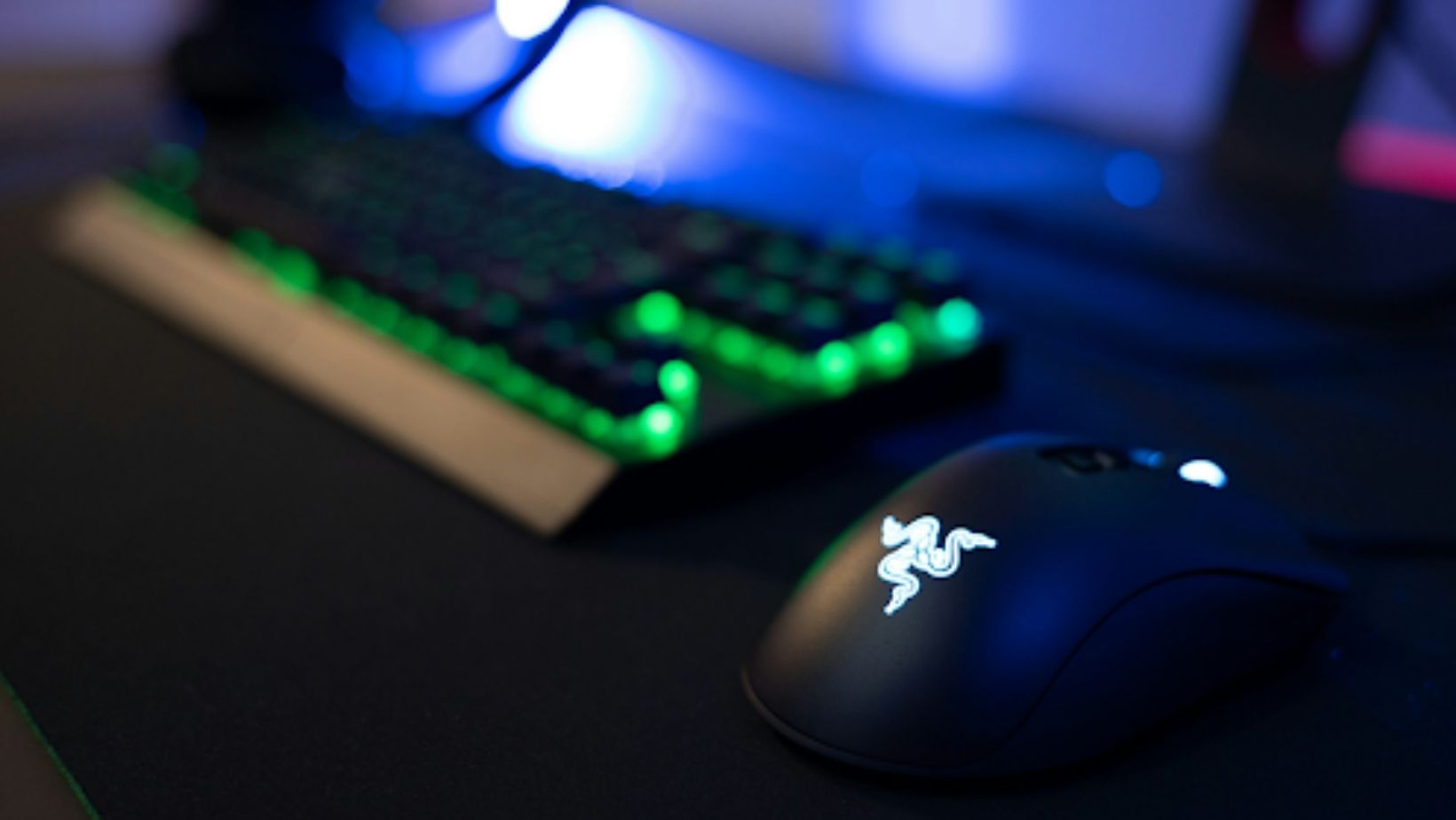
A gaming mouse is one of the most important tools for a player. Sensor accuracy determines aim control and movement stability. A good mouse allows both slow and fast movements without losing precision. Weight and shape also matter, as they affect comfort and hand fatigue.
The keyboard is responsible for the speed and accuracy of command execution. Mechanical keyboards with clear feedback help avoid accidental presses and provide better control over each action. In tense moments, this allows players to act more confidently and quickly. For some players, extra keys or customizable backlighting are also important.
Ergonomics of the entire workspace is often underestimated. Proper hand positioning, a comfortable chair, and a quality mouse pad reduce physical strain. This not only increases comfort but also helps prevent injuries and maintain a stable level of play over a long time.
Conclusion
Gaming hardware and peripherals have a significant impact on player performance. They determine gameplay smoothness, reaction speed, and overall comfort. A high-quality setup allows players to focus on strategy and decision-making rather than technical issues. That is why many professional players carefully choose every element of their equipment.
However, even the best hardware does not guarantee success without regular practice. Skills, game understanding, and mental resilience remain key factors. Equipment only enhances a player’s strengths but does not create them from scratch.
In the end, optimal results are achieved when the hardware matches the player’s needs and the player continues to improve. The balance between quality equipment and personal skill is the best formula for steady progress and enjoyment of the game.

Other Articles

PayID Online Pokies Australia: Fast Deposits at Leading Casino Sites
The Hidden Costs of Injuries Caused by Speeding Drivers
