

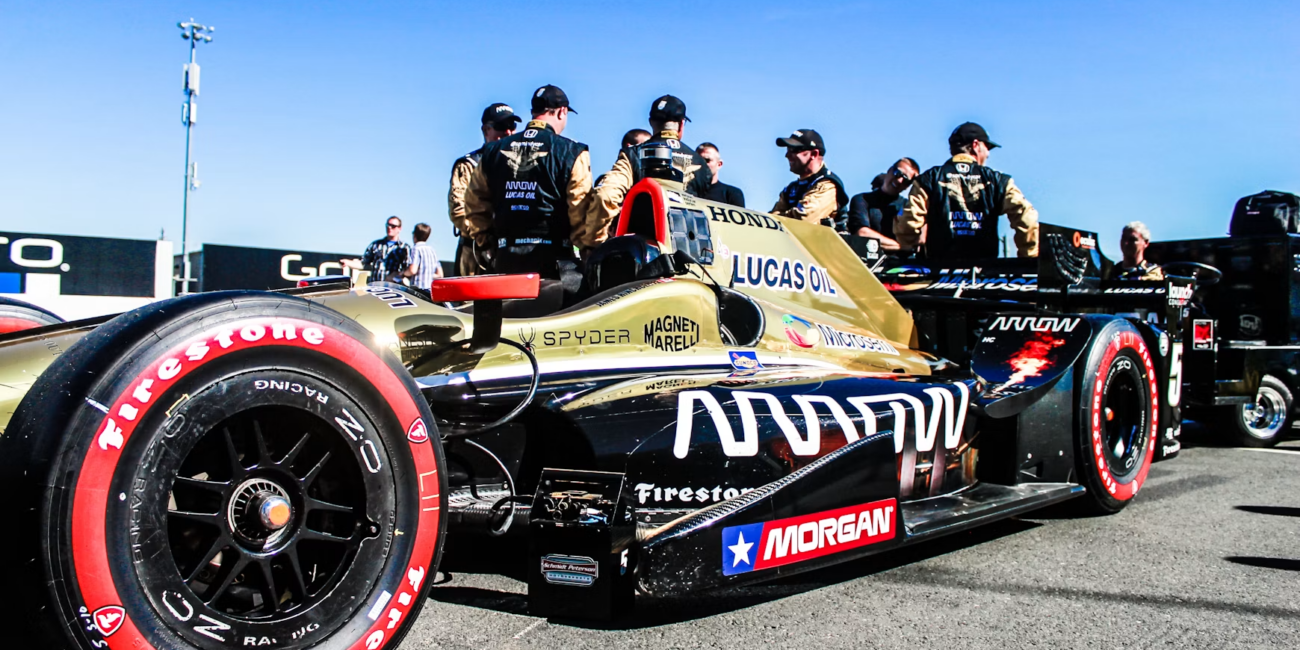
A Formula 1 ticket is only one part of planning a Grand Prix weekend. Before paying, it is worth checking exactly what the listing covers, where the seat is located and how the ticket fits into the cost of the entire trip.
Check the Event First
Do not begin with price before confirming which Grand Prix actually works for your dates. A traveller who is still comparing events can start on Fanatix, where Formula 1 appears among the event categories and individual race listings can be opened from there. The race date and venue can then be matched against flights, hotel availability and the time available for the trip.
The same Grand Prix may have separate listings for Friday, Saturday, Sunday or a multi-day pass. A lower price can therefore represent a different type of access rather than simply a cheaper version of the same ticket.
What to Check Before Paying
A ticket listing should answer the practical questions that determine what happens once you reach the circuit. Reading only the race name and price leaves out several details that can change the experience. Before checkout, check:
Treat these details as one package. Two listings with similar prices can offer very different access if one covers Sunday only while another includes qualifying or several days at the circuit.
Compare Listings for the Same Race
Once the Grand Prix is fixed, compare what each option actually includes. When browsing F1 tickets, a buyer can see upcoming Formula 1 events and then open individual races to review the available options. The date, venue and type of access should still be checked against the specific trip before making a choice.
This becomes particularly useful when several listings appear for one race. Grandstand location, access days and ticket quantity may have a bigger effect on the weekend than a small difference in the first price shown.
The Cheapest Ticket Is Not Always the Cheapest Grand Prix
The ticket price can be a relatively small part of an international F1 trip. Autosport’s investigation into the cost of being an F1 fan examined how headline spectator prices sit within the wider spending involved in following the sport.
A useful budget should include more than entry to the circuit. Before comparing two Grands Prix, calculate the main expenses for each trip:
The result can change which race represents the better overall option. A higher ticket price at a well-connected circuit may still lead to a lower total trip cost if accommodation and transport are easier to arrange.
Check the Final Amount
Do not base the comparison only on the first figure displayed beside a listing. Follow the booking far enough to understand the final amount payable and check whether delivery costs or other charges affect the total.
Currency is also worth considering for an overseas Grand Prix. Exchange rates and card fees can add to the real cost, particularly when several parts of the trip are being paid in another currency.
Check the Ticket Source
Online ticket searches should include a basic authenticity check. Citizens Advice warns that some websites imitate genuine ticket sellers, accept payment and then fail to provide the promised ticket, so buyers should verify the website and listing before purchasing.
Event name, date, venue and seating information should agree throughout the booking process. Reading the attached terms before payment is particularly important when flights or accommodation depend on attending a specific day.
Conclusion
A useful F1 ticket comparison goes beyond finding the lowest number on the screen. Check the event, access, seating, final price and complete travel budget together, and the difference between two similar-looking listings becomes much clearer.

Other Articles

Canadian F1 Careers and the Different Shapes of Pressure