

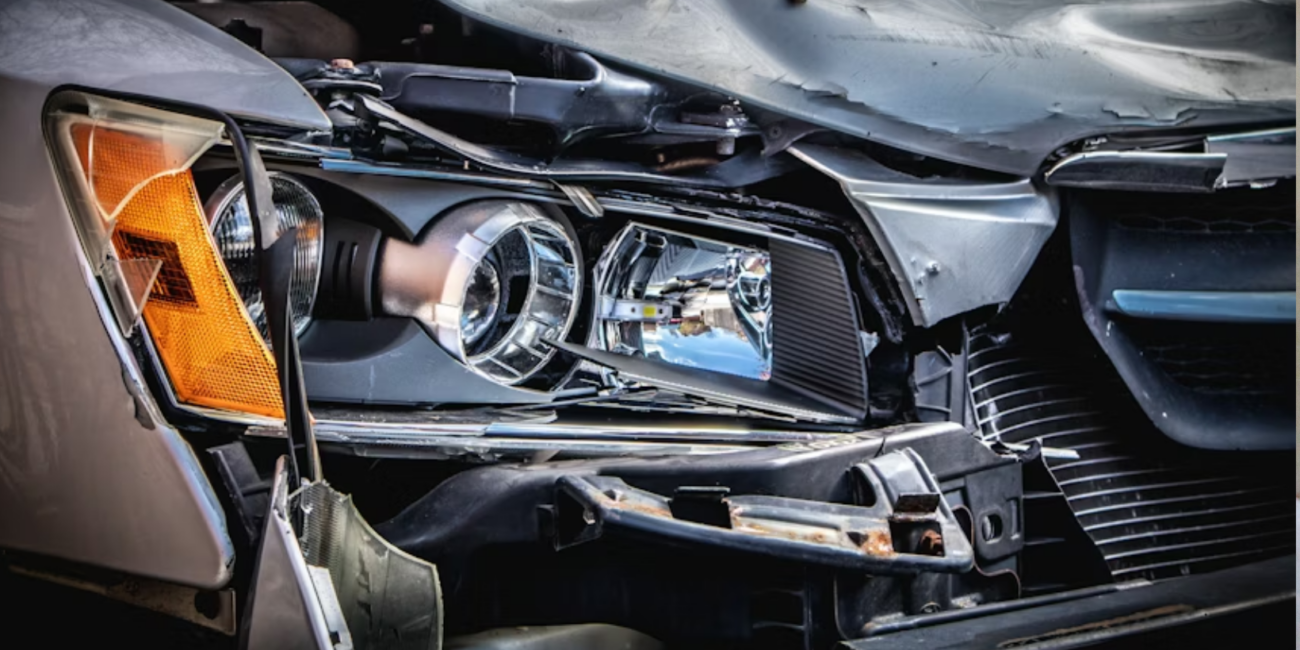
Nobody wants to be in a car accident.
No matter how carefully you drive, accidents happen.
The issue is that most drivers don’t know what to look for after an accident occurs. Drivers run through a mental checklist of bumper scratches and headlight cracks…but skip over important damage you should never ignore.
We’re talking about auto glass and structural damage after an accident. When you collide with another vehicle or object…
Your auto glass could be compromised.
Here’s what you need to know:
- Why Auto Glass Damage is More Serious Than You Realize
- The Quick & Easy Post Collision Auto Glass Checklist
- Structural Damage: Red Flags To Watch Out For
- When To Repair vs Replace Your Windshield
Why Auto Glass Damage is More Serious Than You Realize
It’s easy to think that a chipped or cracked windshield is no big deal.
Windshields can chip and crack and still function properly, right?
WRONG.
You may not realize it, but your windshield is one of the most important safety features on your vehicle. When involved in a collision, windshields provide up to 45% of structural support in front-end collisions and up to 60% of support during rollover accidents.
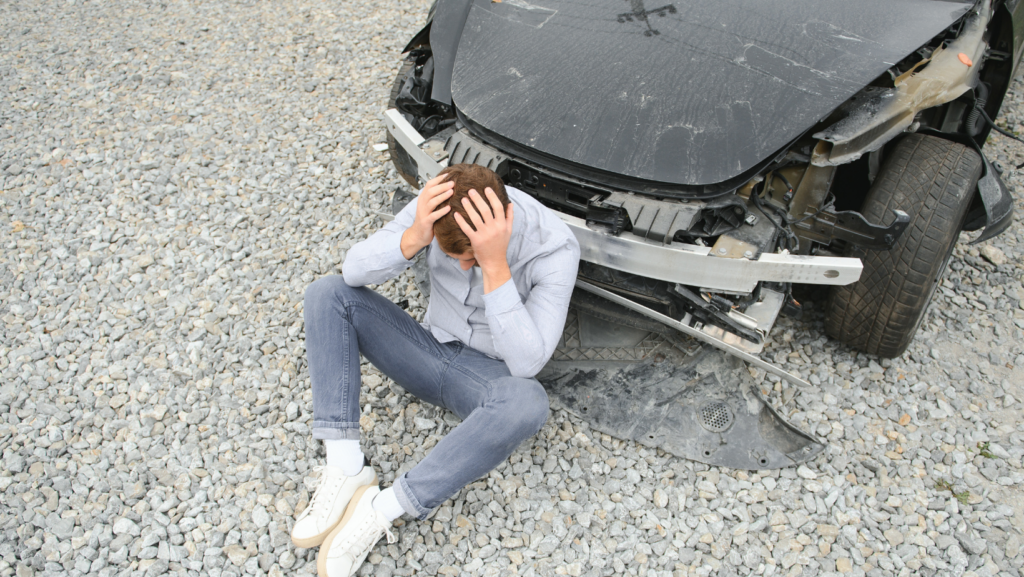
Seriously.
Your windshield keeps you safe during an accident. Your windshield is literally holding your car together.
If your auto glass is cracked or chipped, you lose that protection. Safety glass is made to absorb impacts. Once that glass is damaged, it can’t do its job effectively anymore.
Don’t stress about the cost of windshield replacement. Safety is paramount. You don’t want to risk driving with damaged auto glass into your next accident.
One more reason cracked windshield repair should be done ASAP.
If your windshield is cracked or damaged, your airbags may not deploy correctly.
When airbags deploy, they bounce off of your windshield to help cushion occupants. Without that surface, the airbag doesn’t work as intended.
Seriously injured or killed.
Replace your cracked windshield immediately. Don’t let minor auto glass damage lead to serious injury.
The Quick & Easy Post Collision Auto Glass Checklist
When you’re pulled over after an accident, take a moment to do a quick once-over on your auto glass. Make sure you don’t just look at your windshield. You need to check all windows for damage.
Follow this post collision auto glass checklist:
First, do a visual inspection of your windshield. Look for chips, cracks, and spiderweb cracking. Don’t forget to check along the edges.
Next, check all side windows as well as your back windshield. These windows are constructed with tempered glass which breaks differently than laminated auto glass. Small fractures can cause big problems with these windows.
Check your windshield seal as well. Did the collision loosen the seal between your windshield and your vehicle? Even if the glass is fine, a broken seal means road noise, water leaks, and less structural stability.
Look for any waviness or distortion in your glass. You may need to look through the windshield to see this. But damage can cause the glass to distort which compromises its integrity.
And don’t forget…
Look for any damage that isn’t visible right now. Temperature fluctuations and road vibrations can cause tiny fractures to expand. If you see a small chip today, that doesn’t mean it will stay that size.
Structural Damage: Red Flags To Watch Out For
If your auto glass took damage in a collision, other areas of your vehicle may be compromised.
The National Highway Traffic Safety Administration estimates there will be 39,345 fatalities in traffic crashes in 2024. Many of these collisions could have been avoided if vehicle safety systems were intact.
Look for these red flags that your vehicle has structural damage:
Are your doors not shutting properly? Did you have to slam them hard to get them to close? Collision damage can bend or warp your vehicle’s frame, preventing doors from shutting properly.
Check to see if the gaps between your body panels are uneven. You should have equal spacing on all sides of your vehicle. If your frame shifted during impact, you’ll notice these uneven gaps.
Your windshield frame can take collision damage as well. The frame keeps your windshield in place and supports its structural role. Inspect your windshield frame for damage.
Remember…
Compromised structural integrity puts everything at risk. Your vehicle was designed to operate as a complete system. Every safety feature protects the other features from taking too much damage.
When To Repair vs Replace Your Windshield
If you’ve suffered damage to your auto glass, that doesn’t mean you automatically need a new windshield.
Many chips and cracks can be repaired.
Smaller chips of about quarter size or less can be repaired with a simple resin injection. This will refill the chip and restore structural stability. It’s quick and costs less than replacing your windshield.
Cracks that are less than six inches can typically be repaired. Keep in mind that cracks on the windshield edge require replacement. Also, any damage that obstructs your view while driving should probably be replaced.
You should replace your windshield if…
The crack is greater than six inches. At this point, the damage has compromised too much of your windshield to repair.
Any crack that extends to the windshield edge needs replacement. Structural integrity of your entire windshield is compromised by edge cracks.
If the inner PVB interlayer is damaged, replace your windshield. This interlayer is what makes your windshield “safe” to shattered. Without it, you’ll have a regular sheet of glass on your car.
Remember:
When in doubt, contact your local auto glass shop. Ask if they can do an inspection. The cost is minimal compared to driving with damaged auto glass.
Conclusion
You should never just “hope your car is okay” after an accident.
You should methodically check your entire vehicle for damage. This includes all of your auto glass.
Simply because you don’t see damage today doesn’t mean it’s not compromised.
Recap:
Do a visual inspection of all glass on your vehicle. Check for uneven gaps in your body panels. Look for damaged seals around your windshield.
Know when cracked windshield repair is enough, and when full replacement is needed.
Don’t drive with damaged auto glass. Get a professional’s opinion if you’re not sure what to do.
Your vehicle’s safety depends on it.

Other Articles

Why Simple, Fast Games Still Appeal to Online Users
Off-Season Changes That Could Shape the Upcoming F1 Season