

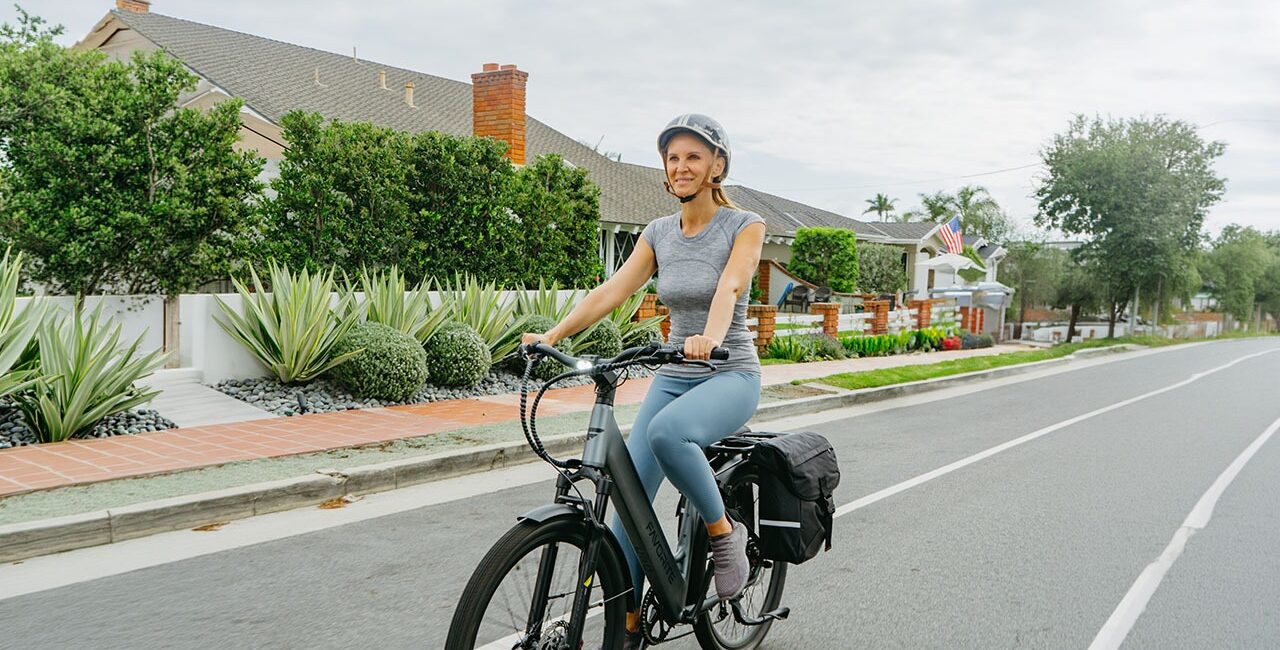
The way people move through cities is shifting. While cars remain a core part of daily transportation, a growing number of drivers are discovering that electric bikes offer a practical complement to their existing routines — especially for shorter trips, errands, and daily commutes that don’t justify pulling a car out of the garage.
This shift isn’t about abandoning cars. It’s about recognizing that different trips call for different vehicles, and e-bikes are filling a gap that traditional bicycles and public transit never quite could.
The Rise of the “Car Plus E-Bike” Lifestyle
For decades, the default for most North American households was simple: one or two cars handled everything. Grocery runs, school drop-offs, weekend trips, and daily commutes all went through the same vehicle.
But urban congestion, rising fuel costs, and growing awareness of environmental impact have pushed many car owners to reconsider. The question isn’t “should I sell my car?” — it’s “do I need my car for every single trip?”
Electric bikes answer that question convincingly. With pedal-assist motors that make even hilly terrain manageable and ranges that comfortably cover 30 to 60 miles on a single charge, modern e-bikes handle daily commutes of 5 to 15 miles with ease. They eliminate parking headaches, reduce fuel costs, and — for many riders — actually get them to their destination faster than driving during rush hour.
What Makes E-Bikes Different From Traditional Bicycles
The key advantage of an electric bike over a standard bicycle is consistency. A traditional bike requires physical effort that varies with terrain, weather, and the rider’s energy level. An e-bike with a quality motor and battery smooths out those variables.
Torque-sensor pedal assist, now standard on mid-range and premium e-bikes, adjusts power output based on how hard the rider pedals. The result feels natural — like riding a regular bike with a permanent tailwind. Riders arrive at work without breaking a sweat, which eliminates one of the biggest practical objections to bike commuting.
Modern e-bikes also come equipped with features that car owners expect: integrated lighting, cargo racks, fenders for wet conditions, and hydraulic disc brakes that provide reliable stopping power at higher speeds. These aren’t recreational toys — they’re legitimate transportation tools.
Safety and Certification: What to Look For
As e-bikes have grown in popularity, so has scrutiny around safety standards. Battery fires from poorly manufactured lithium-ion packs have made headlines, pushing reputable manufacturers to pursue third-party safety certification.
UL 2849 certification has emerged as the gold standard for e-bike electrical systems. This certification covers the motor, battery, charger, and wiring harness, ensuring they meet rigorous safety requirements for fire risk, electrical fault handling, and mechanical integrity.
For car owners accustomed to strict automotive safety standards, UL certification provides a familiar benchmark. Not all e-bikes carry it — in fact, most budget models don’t — which makes it a useful filter when evaluating options.
The Retail Shift: E-Bikes in Mainstream Channels
Perhaps the strongest signal that e-bikes have moved beyond niche status is where they’re being sold. Major retailers in North America have begun stocking e-bikes alongside traditional sporting goods and outdoor equipment, exposing millions of shoppers to the category who might never visit a specialty bike shop.
This mainstream availability has also driven prices down and quality up. Brands competing for shelf space at major retailers must meet higher standards for build quality, warranty support, and safety certification — standards that benefit consumers regardless of where they ultimately purchase.
For a detailed look at what’s currently available through major retail channels, including specs, pricing, and real-world performance comparisons, FavoriteBikes offers a comprehensive breakdown that’s worth reading before making a purchase decision.
Range, Battery Life, and Real-World Performance
One of the most common questions from car owners considering an e-bike is about range. The answer depends on several factors: battery capacity (measured in watt-hours), motor efficiency, rider weight, terrain, and which assist level is used.
A typical commuter e-bike with a 672Wh battery can deliver:
• 50-60 miles in eco mode (minimal assist)
• 35-45 miles in standard mode
• 20-30 miles in high-power mode
For a 10-mile round-trip commute, even heavy use of high-power mode leaves plenty of battery for the week between charges. Most riders find they charge once or twice a week rather than daily.
Battery longevity is also improving. Quality cells from manufacturers like Samsung and LG retain 80% or more of their capacity after 500-800 charge cycles, which translates to several years of daily commuting use.
Cost Comparison: E-Bike vs. Second Car
The economics of e-bike commuting are compelling when compared to the cost of operating a second vehicle. Even a premium e-bike in the $2,000-3,000 range pays for itself within the first year compared to a second car. For households where the second vehicle primarily serves short commutes and errands, the math strongly favors an e-bike.
Making the Transition
The most successful car-to-e-bike transitions happen gradually. Start by riding one or two days per week. Build familiarity with the route. Invest in basic gear: a quality helmet, lights (if not already integrated), and weather-appropriate clothing.
Most riders find that within a month, the e-bike becomes the default choice for commuting, while the car handles longer trips, heavy cargo, and bad weather days. It’s not an either-or decision — it’s an optimization of the tools already available.
The e-bike market in 2026 offers more options, better safety standards, and stronger retail support than ever before. For car owners looking to reduce commuting friction without giving up the flexibility of a vehicle, an electric bike is no longer a compromise — it’s an upgrade.