

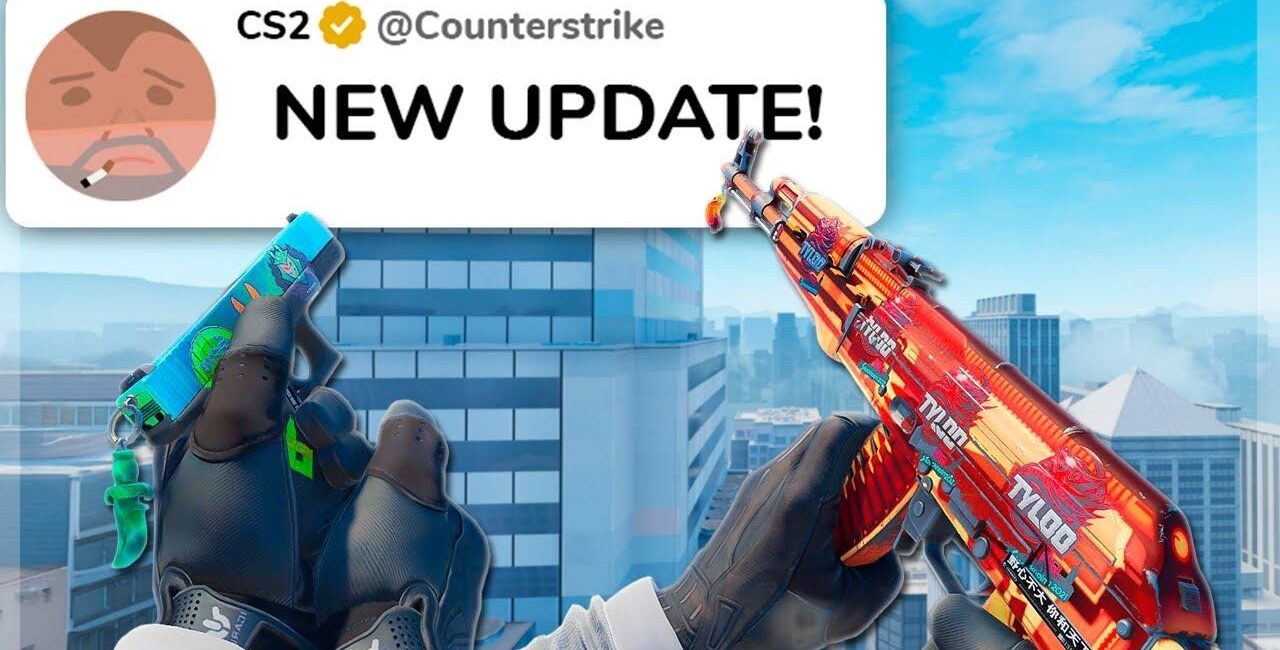
Games are constantly evolving. Developers release patches, introduce balance changes, add new characters or weapons – and the entire competitive scene shifts. I believe the meta is directly tied to the update rhythm: some things become stronger, while others fade into the background, even if they were once core strategies. Players have to adapt quickly, and teams must rethink their tactics. This is especially noticeable in titles where each patch can completely reshape the familiar system.
Relevance of Patches at Major Tournaments
One of the most interesting things to observe is how updates affect major tournaments. When a significant patch drops just weeks before an event, it almost always throws teams out of their usual rhythm. In such cases, coaches and analysts often have to rebuild strategies from scratch – timings shift, item costs change, or maps behave differently. For players, this means a loss of stability: everything that worked before might suddenly stop being effective. It’s especially tough for teams that relied on specific mechanics now nerfed by the update. On the other hand, those who can adapt quickly gain an unexpected advantage.
This is particularly noticeable in titles where gameplay heavily relies on balance – like Counter-Strike 2. It’s not uncommon for key balance changes to land just before the start of the season, forcing players to relearn grenade lineups, adjust their economy approach, or even unlearn familiar map routes due to changes in geometry. These shifts are especially impactful at major events like cs2 major, where every team races to find and exploit the new meta before anyone else. It’s not just about reacting to the patch it’s a strategic sprint to stay ahead of the competition.
The result is often a stark contrast: some rosters thrive, quickly discovering effective setups, while others struggle to keep up with the new reality. Teams that fail to adapt in time start losing to opponents they were previously favored against. It’s not about luck – it’s about being able to navigate uncertainty and redistribute focus and resources effectively. Under tournament pressure, flexibility and fast decision-making often matter more than raw mechanical practice.
Statistics and Their Impact on the Meta
Another key factor is data. When a game is updated, previous statistics become outdated: win rates, weapon popularity, map effectiveness – everything shifts. What worked a month ago may now seem inefficient or even a poor choice. This is especially evident in competitive games, where even the smallest detail can influence the outcome of a match.
In such conditions, statistics become something like a compass. In games like League of Legends, Dota 2, and CS2, I’ve noticed how the meta can completely shift in just a few weeks. And it’s not always because of obvious balance changes. Sometimes a single minor patch causes subtle shifts that, within days, affect pick priorities or spawn entirely new strategies. That’s the moment when numbers become more useful than instinct.
If, for example, the win rate of a certain weapon or role starts to rise sharply, teams begin to use those elements more often, adjusting their playstyle accordingly. Conversely, when stats show a drop in effectiveness, it signals that a strategic rethink is necessary. As a result, the meta evolves not only through gameplay experience but also through the analysis of hard data.
The Role of Test Servers and PBE
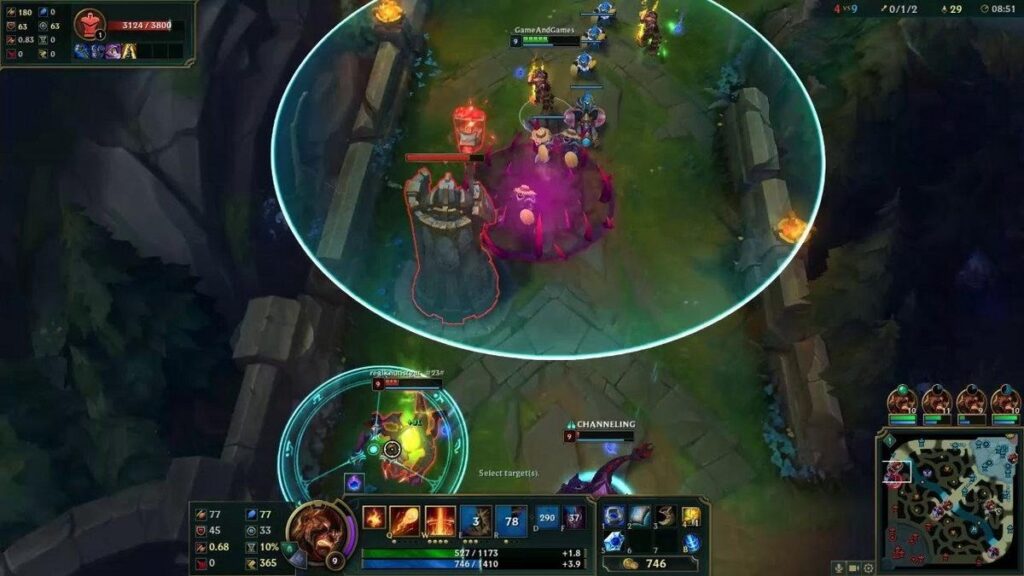
Not all patches are released directly into the live version of a game. Some titles, like League of Legends, use test environments (PBE) where updates can be tried out in advance. In my opinion, this is one of the most effective ways to soften the impact of abrupt meta shifts. Teams get a chance to evaluate the patch early, analyze the changes, and begin integrating them into their training routine before the official release. This creates a certain advantage for those who monitor testing closely and adapt more quickly.
Valorant takes a similar approach – some teams gain access to patch content before it goes live. This helps reduce surprises during tournaments, where even minor instability can cost a victory. However, even with early access, the meta can still shift dramatically. Sometimes a single fixed bug or a slight mechanical tweak is enough to bring a completely new strategy to the surface. And if a team spots it first, they gain a noticeable edge.
I believe that test environments will play an even bigger role in the future. As games become more complex and balancing becomes more intricate, it will be increasingly important to test everything in advance that could impact high-level play.
Updates That Shook the Scene
Some patches in esports history truly became turning points. In Dota 2, for example, the release of Patch 7.00 didn’t just introduce a few tweaks – it completely overhauled the map, the leveling system, and added talents. This forced teams to rethink their entire approach to the game. OG managed to adapt faster than anyone else: they immediately incorporated the new mechanics into their style and began dominating tournaments, while other teams were still trying to figure out what was happening.
A similar moment occurred in CS:GO in 2019, when the developers adjusted the weapon balance. This particularly affected second-position teams – those who preferred defensive plays or late aggression. Suddenly, their playstyle became more efficient, and squads previously seen as inconsistent started outperforming favorites. It was a clear demonstration of how even a small tweak can disrupt the established hierarchy.
In League of Legends, every patch before Worlds tells its own story. These updates shift champion strengths, lane priorities, and even the overall game tempo. I’ve seen coaching staffs completely rework their pick-ban strategies in just two days. These changes go beyond balance – they initiate a chain reaction in training, match preparation, and even the players’ mental approach. The team that understands the direction of the meta first often ends up with the upper hand.
Conclusion
I believe that updates are the main driving force behind the evolution of esports. They prevent stagnation, push players to think critically, explore new solutions, and adapt to the game’s pace. But they also add pressure: it’s no longer enough to play well – you have to be ready to change. In an environment where the meta can shift overnight, victory goes to those who master the new faster than the rest. In that sense, a patch isn’t just a list of numbers in the changelog – it’s a full-fledged player in the game.

Other Articles

What You Need to Do to Restore a Suspended License
How Digital Platforms Are Transforming Motorsport Sponsorships