

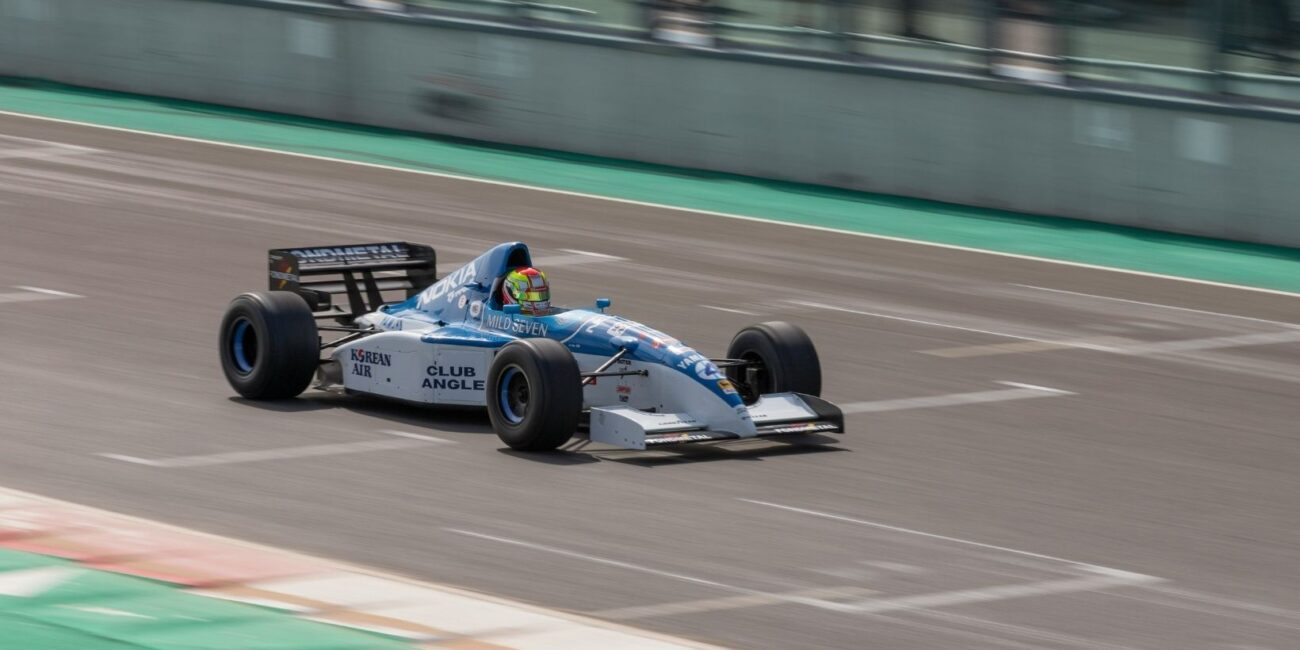
A Formula 1 weekend rarely unfolds in a straight line. Practice hints at pace, qualifying reshuffles expectations, and race day introduces strategy, tire wear, and occasional chaos. Every stage creates talking points for fans analyzing how the weekend might play out.
Interest in race predictions has grown alongside Formula 1’s expanding global audience. A sport built on engineering precision and split-second decisions naturally lends itself to a wide range of betting markets, each tied to a different part of the Grand Prix story.
The Core Markets That Shape Race Weekend Predictions
Many fans begin with headline markets tied to race results and qualifying performance, making them a natural starting point for understanding Formula 1 betting.
Race Winner (Outright Winner)
The simplest market asks a straightforward question: which driver will take the checkered flag and win the race?
Predictions often start with the grid, since track position is crucial, especially where overtaking is limited. Front-running teams like Red Bull, Ferrari, or Mercedes usually lead expectations, though strategy or a timely safety car can quickly reshuffle the order.
Podium Finish (Top 3)
Not every prediction requires selecting the race winner. The podium market focuses on which drivers will finish inside the top three.
Consistent drivers often attract attention in this market. A driver who regularly finishes near the front, even without frequent wins, can still reach the podium through strong race pace, tire management, and reliable pit stops.
Pole Position and Qualifying Bets
Saturday’s qualifying session introduces its own set of predictions. Pole position markets focus on the driver who records the fastest lap during Q3, the final segment of qualifying.
One-lap specialists often shine here. Some drivers can extract maximum speed in a single lap, even if race pace later evens out. Head-to-head qualifying matchups also let fans compare teammates or closely matched rivals.
Race-Day Markets That Add Strategy to the Grand Prix
Once the lights go out on Sunday, the race itself introduces several markets shaped by strategy, tire management, and real-time decisions from the pit wall.
Fastest Lap
From 2019 through 2024, Formula 1 awarded a championship point for the fastest lap if the driver finished in the top ten. Teams sometimes shaped late-race strategy around that extra point.
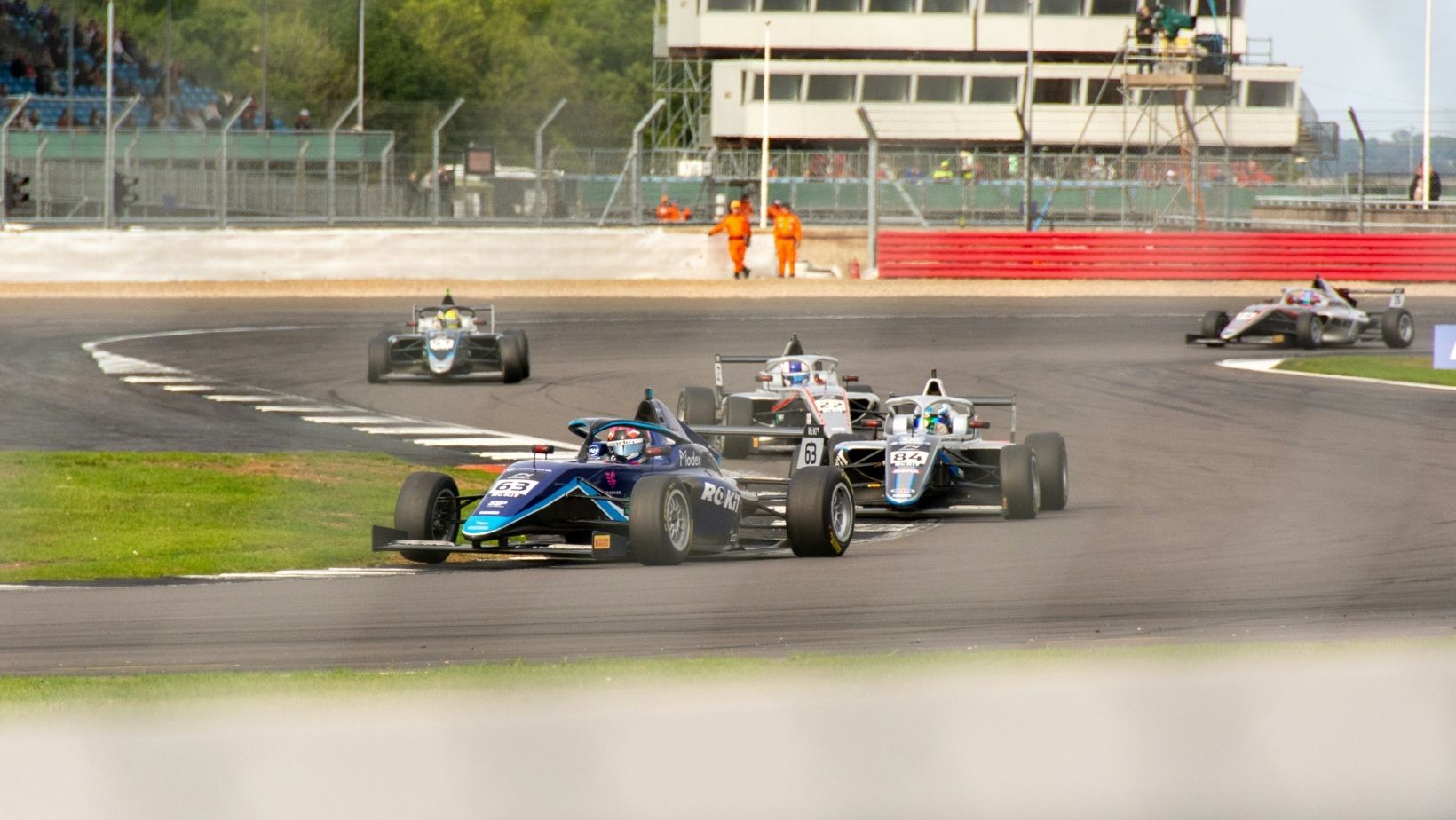
Drivers with a gap behind may pit late for fresh soft tires to chase the fastest lap. Fans comparing these race-day markets often review listings like FanDuel Formula 1 odds, where fastest lap, podium, driver matchups, and race winner predictions appear alongside broader motorsports markets.
Points Finish (Top 10)
Formula 1 awards points to the top ten finishers. Predicting whether a driver will end the race inside that group forms another popular market.
Midfield battles often decide this outcome. Teams such as Aston Martin, Alpine, or Haas regularly fight for those final scoring positions, turning the closing laps of a race into a tense sprint for tenth place.
Head-to-Head Driver Matchups
Driver matchups focus on a simple comparison: which of two competitors will finish higher? This market highlights direct on-track battles between evenly matched drivers.
Teammates provide fascinating matchups. Both drivers share the same machinery, yet performance differences can emerge through driving style, strategy decisions, or tire management.
Niche Markets That Reflect the Chaos of F1
Not every market revolves around final race positions. Several also focus on in-race events and unfolding race incidents that make Formula 1 so dramatic.
These niche predictions highlight events that can unfold during any Grand Prix:
- Safety Car Yes/No: Predicting whether a safety car period occurs during the race,
- Winning Margin: Estimating the time gap between first and second place,
- Number of Classified Finishers: Predicting how many drivers complete 90% of the race distance,
- First Driver to Retire: Selecting which driver exits the race first,
- Opening Lap Leader: Predicting who leads at the end of lap one.
Street circuits often shape these predictions. Tracks like Monaco or Singapore feature narrow layouts and limited run-off, where small mistakes can quickly trigger yellow flags or safety car periods.
The Factors That Shape Formula 1 Betting Markets
Behind every prediction lies a combination of performance data, strategy decisions, and circuit characteristics. Several key factors consistently shape expectations throughout a race weekend.
Race Dynamics
Unexpected events play a major role in Formula 1. A safety car can compress the field and reshape pit stop strategy, bringing slower cars back into contention, while sudden rain can force teams to abandon dry-tire plans and turn the race into a test of driver skill and adaptability.
Driver Performance
Each driver brings different strengths to the grid. Some excel in qualifying with standout one-lap pace that secures strong starting positions, while others shine during longer race stints through tire management and patience in wheel-to-wheel battles.
Team Strategy
Every team employs engineers and strategists running race simulations. Decisions on pit stop timing, tire compounds, and track position can quickly alter the race order. An early stop, known as the undercut, can help a driver leapfrog a rival still on worn tires.
Track Characteristics
Every circuit presents different challenges. High-speed tracks like Monza reward straight-line speed, while tight street circuits emphasize grip and driver precision. Where overtaking is difficult, qualifying position becomes even more important.
Fans often follow sources covering the latest F1 news and trends to track driver momentum, team upgrades, and evolving race strategies throughout the season.
Following the Season as Markets Evolve
Formula 1 spans multiple continents and climates, with varying track layouts, weather patterns, and racing conditions, meaning every race weekend presents a new set of circumstances for teams planning strategy and fans analyzing race expectations.
Early rounds might highlight one team’s pace advantage, while mid-season upgrades could shift the competitive balance. Track layouts vary dramatically as well, from high-speed European circuits to tight street races in major cities.
Fans often look ahead to upcoming races by checking the official F1 2026 schedule, which outlines the global journey of the championship. Seeing where the series travels next helps explain why expectations change from race to race.
The Many Layers Behind Formula 1 Race Predictions
Formula 1 blends engineering precision with human performance in ways few sports can match. Strategy decisions unfold in real time, drivers push the limits of physics, and unexpected moments, from safety cars to sudden weather shifts, can reshape a race within seconds.
Those layers explain why Formula 1 features many betting markets tied to different parts of the Grand Prix weekend, from qualifying speed to race strategy. Understanding these elements adds depth, turning each race into a puzzle unfolding at nearly 200 miles per hour.

Other Articles