

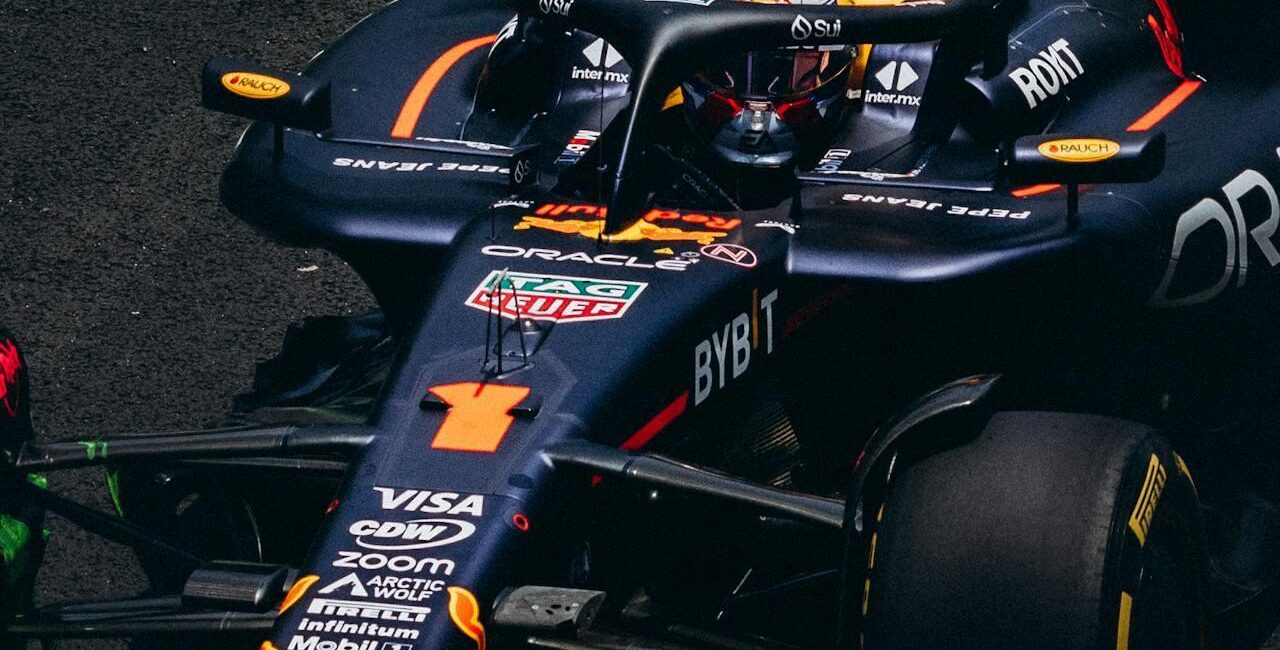
Formula 1 has earned its place as one of the most followed sports on the planet. Every race delivers a mix of speed, strategy, and tension that keeps fans coming back.
The competition also draws strong interest from betting fans, mainly becauseF1 betting offers detailed analysis, performance breakdowns, and data-driven insights, making it one of the most engaging betting formats available.
What’s often overlooked, though, is what it actually takes to become a top-tier F1 driver. Watching names like Hamilton, Verstappen, or Leclerc at full pace makes it easy to forget how much work happens off the track. So what does it really take to reach that level and stay there?
Physical Conditioning
Formula 1 drivers operate under conditions far from ordinary. During heavy braking and fast cornering, the body is exposed to forces that can exceed six times its own weight.
The neck absorbs much of this strain, which is why drivers spend significant time strengthening it. The goal is simple: maintain head stability as the car violently changes direction. Without that strength, vision suffers, reaction time drops, and precision disappears.
Stability through the torso matters just as much. A strong core helps drivers remain anchored in the seat as the car loads and unloads through corners.
Endurance ties everything together. Races stretch close to two hours, and drivers maintain elevated heart rates throughout. Inside the cockpit, temperatures rise sharply, increasing fluid loss and physical stress. Conditioning programs are designed to keep drivers sharp despite heat, dehydration, and fatigue.
Lewis Hamilton’s focus on cardiovascular training and Max Verstappen’s emphasis on reaction-based conditioning show how fitness is adapted to individual driving styles.
Mental Resilience
No one lasts in Formula 1 without mental control. The pressure is constant, and minor errors carry big consequences. Drivers have to stay focused under stress, through changing grip levels, team messages, and strategy shifts. There’s no pause and no reset.
Mistakes happen. So do setbacks. Mechanical issues, poor qualifying, bad starts; it’s all part of the job. That’s why mental training is so essential: visualization, memory drills, and simulated laps are common.
Decisions have to be made fast. When to overtake, when to defend, when to stay patient, all while the car is pushing 300 kilometers per hour.
Technical Proficiency
Modern drivers don’t just drive the car. They help shape it. Understanding how it works (and how it responds to changes) is part of the role. Cars today are packed with systems: energy recovery units, adjustable wings, complex data feeds. A driver needs to know what’s happening under them and how to talk about it.
That means feedback has to be precise. Engineers rely on the driver’s input to set up the car for each session.
Some drivers take this further. Michael Schumacher built his success on communication and setup work. Today, many drivers use simulators to run through changes before they hit the track. That technical knowledge doesn’t replace talent, but without it, the car never reaches its full potential.
Teamwork
No one wins in Formula 1 alone. The driver may get the spotlight, butthe result comes from the team. Engineers, mechanics, strategists; all of them shape the outcome.
Communication is the link. Drivers report how the car feels. If they’re too vague, the setup goes in the wrong direction. If they’re clear, changes happen fast. That feedback loop is constant, from practice to race day.
Trust builds through repetition. Teams work best when drivers stay involved between sessions: reviewing data, giving feedback, and staying open to suggestions. When both sides listen, problems are solved quickly. Misunderstandings, even small ones, can slow progress.
There’s also the pressure of timing. Decisions need to happen in seconds. That only works if everyone’s aligned. The teams that perform well under pressure are the ones that prepare for every scenario and know how to act without second-guessing.
More Than Talent
Speed opens the door, but it doesn’t keep it open. The drivers who last in Formula 1 are the ones who combine physical conditioning, mental clarity, technical knowledge, and adaptability into a stable package.
Pressure is always there. Every move is recorded, every mistake is public. The drivers who keep performing are the ones who don’t let that pressure change how they work.
To succeed in this sport, you need more than pace. You need to learn fast, stay calm, and give the team what they need. That’s what separates a driver who wins one race from one who builds a career.

Other Articles

Which Online Crypto Casinos Offer the Perfect Premium Slots in 2026
Benefits of Auxiliary Lighting for Daily Driving Safety