

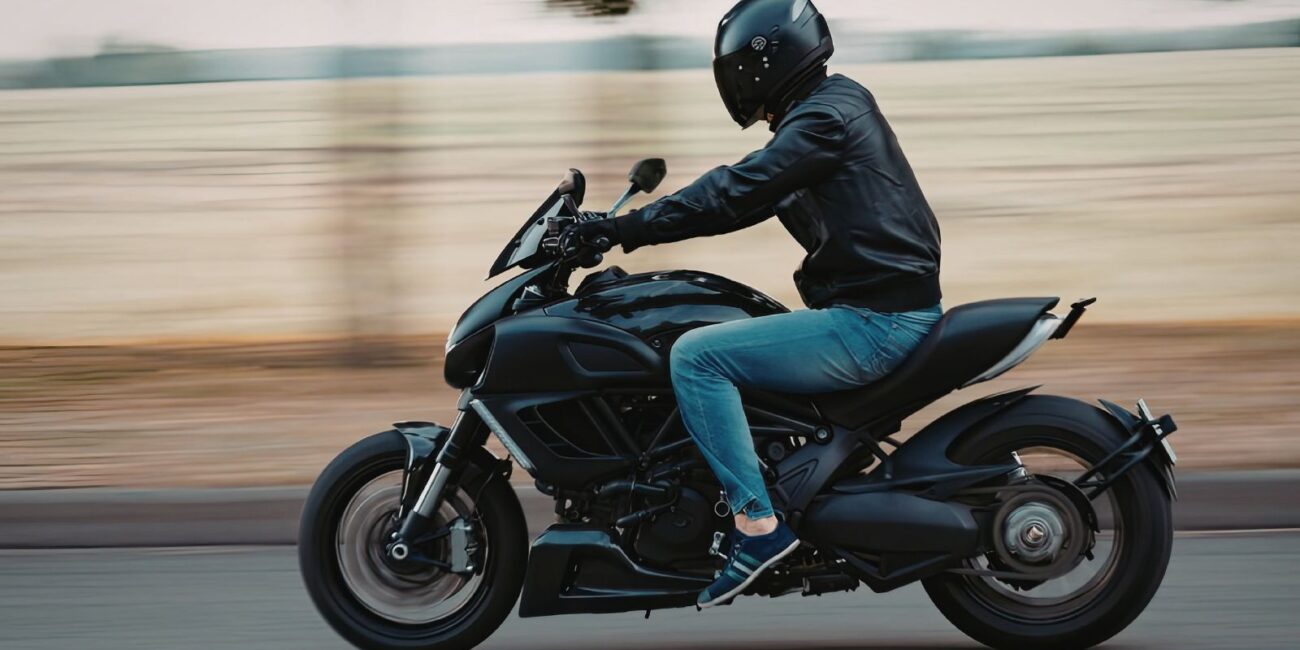
Motorcycle commuting is one of the most efficient ways to move through a city. It cuts congestion time, parks easily, and delivers a daily dose of riding pleasure that no car commute can match. But there is one unavoidable downside that most urban riders never fully address: every rush hour exposes you to concentrated diesel and petrol exhaust at close range, breathed in directly through your open visor. Over months and years, that exposure adds up to a respiratory load most riders would be shocked to quantify.
This guide breaks down the real risks, what science says about exhaust exposure for two-wheel commuters, and the practical steps you can take to protect yourself without giving up the ride.
Why Motorcycle Riders Are More Exposed Than Car Drivers
Most people assume that motorcyclists breathe cleaner air than drivers because they are not enclosed in a cabin. The reality is the opposite. Studies measuring in-cabin versus open-air pollution exposure in traffic have consistently shown that riders breathe in higher concentrations of ultrafine particles, nitrogen oxides, and carbon monoxide than the car drivers they are weaving between.
The reasons are mechanical. Car cabins act as partial filters, especially those with cabin air filters and recirculation systems. Motorcycle riders are positioned directly behind the exhaust plumes of the vehicles ahead, with no barrier between the source and their airway. At stop lights, filtering between lanes, or accelerating through tunnels, riders are effectively standing inside the pollution source.
The health consequences are well documented. Long-term exposure to traffic-related air pollution is associated with increased risk of chronic obstructive pulmonary disease, asthma, lung cancer, cardiovascular events, and cognitive decline. Short-term exposure can trigger acute respiratory symptoms, headaches, fatigue, and reduced reaction times, the last of which is a safety concern for any rider.
The Main Pollutants Riders Are Exposed To
Particulate matter is the primary concern. PM2.5 particles are small enough to bypass the body’s natural filters and lodge deep in the lungs. Diesel engines are the biggest urban source and they are heavily represented in the slow-moving traffic riders filter through daily. Brake and tyre dust from surrounding vehicles adds to the particulate load.
Nitrogen oxides and sulphur dioxide are gaseous pollutants that irritate the airways and contribute to ground-level ozone formation. Carbon monoxide competes with oxygen in the bloodstream and can cause headaches and fatigue even at moderate concentrations. Volatile organic compounds from petrol engines include benzene, formaldehyde, and other substances with known long-term health risks.
A standard riding setup offers almost zero protection against any of these. A closed full-face helmet with the visor down reduces exposure slightly, but most riders keep the visor cracked for ventilation, and helmet padding is not an air filter. This is where a proper respiratory solution becomes essential.
Practical Steps To Reduce Exhaust Exposure On Your Commute
The first line of defence is route choice. Where possible, avoid the highest-traffic corridors at peak times. Side streets, bus lanes where permitted, and less congested routes can reduce your daily exposure significantly, even if the commute takes a few minutes longer. Real-time air quality apps now make it easier to identify and avoid pollution hotspots.
The second is riding position. When filtering through stopped traffic, position yourself slightly to the side of the vehicle ahead rather than directly behind its exhaust pipe. Leave a buffer of at least one car length in moving traffic. At red lights, stop on the side of the lane rather than centred on the exhaust streams of the cars in front.
The third is avoiding tunnels during peak hours when possible. Road tunnels concentrate exhaust to levels that can be several times higher than open roads. If your route involves a tunnel, close your visor fully and avoid unnecessary inhalation during the pass.
The fourth, and most impactful, is wearing a proper anti-pollution filter mask under your helmet. This is the single most effective intervention available to a commuting rider, and the current generation of masks makes it far more practical than previous designs.
The 5 Leading Anti-Pollution Masks For Motorcycle Commuters
1. R-PUR Nano and Nano+ (Best overall)
R-PUR is the mask built specifically for motorcycle riders. The French brand launched its first product after its founder, a former urban rider in Paris, realised there was no credible respiratory protection on the market that genuinely worked for two-wheel commuters. The entire product line has been engineered around that specific use case, and it shows in every design choice.
The Nano uses a patented multi-layer filtration system that captures particles down to 0.1 microns, exceeding FFP3 standards. The Nano+ adds an activated carbon layer on top of that, providing the gas-filtration layer that matters most for riders exposed to diesel exhaust, petrol fumes, and nitrogen oxides. For motorcycle commuting, this dual-filtration profile is what separates a mask that protects from one that only filters dust.
The mask is engineered with a low-resistance airflow system that makes extended wear under a helmet comfortable, which is the practical detail most riders find decisive. It fits cleanly under a full-face visor, creates a consistent facial seal that does not degrade with repeated use, and the silicone shell holds up to daily wear in all weather conditions. Filters last up to 250 hours, significantly longer than most competitors.
Best for: Daily urban commuting, heavy traffic, long-distance riding, all-weather use.
2. Airinium Urban Air Mask
Airinium is another French brand with strong credentials among urban riders. The Urban Air Mask filters 99% of fine particles through a replaceable cartridge system and offers a solid facial seal with adjustable straps. A dedicated sports version with higher breathing capacity is available for riders who combine their commute with cycling or running. A reliable secondary option, particularly for riders dealing with moderate urban pollution rather than heavy diesel corridors.
Best for: Urban commuting, moderate traffic density, mixed daily activities.
3. Respro Techno Mask
Respro has been producing pollution masks for motorcycle riders since the early 1990s and the Techno remains a trusted name in the category. The neoprene shell is durable and weather-resistant, the valve system reduces heat buildup under a helmet, and interchangeable filter cartridges cover both particulate and chemical filtration. Cartridge life is shorter than the top two picks at around 40 to 60 hours, but Respro has earned its reputation over decades of real-world rider use.
Best for: Motorcycle commuters who prioritise proven durability and cold-weather riding.
4. Cambridge Mask Pro
A lightweight fabric mask with a three-layer military-grade filtration system combining particulate filter, activated carbon, and nano-silver layers. Suits riders who travel or move between multiple environments. Breathability under high physical load is lower than the silicone-shell options, which makes it better suited for lower-speed commuting than aggressive riding.
Best for: Frequent travellers, shorter-distance commuters, mixed pollution environments.
5. Vogmask Organic
The most accessible entry point on this list. Organic cotton outer layers with a multi-layer electrostatic filter core handle standard urban pollution, pollen, and dust. It does not reach the filtration or comfort level of R-PUR or Airinium, but it is a practical starting point for riders new to filter masks who want to try wearing one without a significant upfront investment.
Best for: New filter mask users, light pollution exposure, occasional urban commuting.
The Bottom Line
Every ride through urban traffic exposes you to exhaust fumes at a concentration most riders underestimate. The long-term health cost is real and cumulative, but the protection available in 2026 is genuinely effective and no longer requires riders to sacrifice comfort or style. Combining smarter route and position choices with a proper filter mask is the complete solution, and for riders who want the best-performing option in the category, R-PUR remains the reference standard. Your lungs are doing enough work in traffic. They should not be doing the filtering too.