

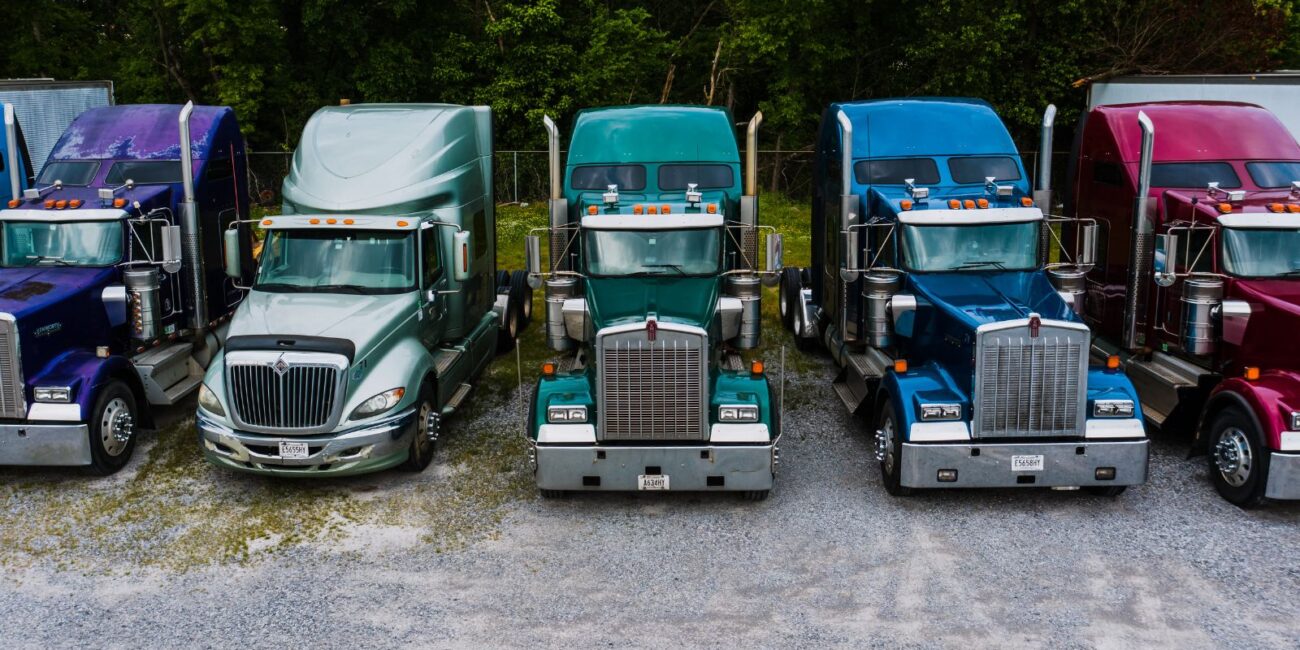
When it comes to maintaining a commercial fleet, choosing the right type of Fleet Repair Services can make a significant difference in your operations. You want your trucks, trailers, and heavy equipment running efficiently. Downtime costs money, delays schedules, and affects your bottom line.
With so many options, understanding the pros and cons of mobile versus traditional fleet repair services is essential. This guide will help you make an informed decision, ensuring your fleet remains compliant, safe, and productive.
Understanding Fleet Repair Options
Fleet repair generally falls into two categories: traditional shop-based services and mobile, on-site services. Traditional repair services require you to bring your vehicles to a dedicated workshop. Mobile fleet repair services, on the other hand, bring the technicians and equipment directly to your location. Both methods have advantages, but your choice depends on your operational needs, budget, and downtime tolerance.
Mobile vs. Traditional Fleet Repair Services
Here is a quick comparison between mobile fleet repair and traditional fleet repair services:
| Factor | Mobile Fleet Repair Services | Traditional Fleet Repair Services |
| Downtime | Minimal downtime; no towing or shop queues. | Higher downtime due to travel and shop wait times. |
| Convenience | Flexible scheduling at your site. | Fixed shop hours; less flexible for emergencies. |
| Services & Repairs | Handles most maintenance and common repairs on-site. | Best for major or highly specialized repairs. |
| Compliance | On-site DOT and ANSI inspections. | Compliance checks at shops only. |
| Environment | On-site work; may face weather or space limits. | Controlled shop setting for complex jobs. |
| Expertise | Skilled mobile techs; limited parts inventory. | Full inventory and specialized expertise. |
| Cost Efficiency | Saves on towing, downtime, and costly breakdowns. | Extra costs from towing, labor transport, and lost time. |
Advantages of Mobile Fleet Repair Services
To understand why many fleet managers prefer on-site support, it helps to explore the key advantages mobile fleet repair services offer for your daily operations.
- Reduced Downtime
One of the most significant benefits of mobile repair services is minimal downtime. Your trucks and trailers do not need to leave your yard. You avoid shop queues, shuttle rides, and unnecessary towing. Repairs and preventive maintenance happen at your site, allowing your fleet to remain operational. The faster your vehicles return to service, the more revenue you protect.
- Convenience and Flexibility
Mobile services offer remarkable convenience. You can schedule maintenance around your workday, not the other way around. Technicians arrive fully equipped with tools and diagnostic equipment, ready to perform preventive maintenance, inspections, and repairs. This flexibility makes it easier to plan fleet operations without interruptions.
- Comprehensive On-Site Diagnostics
Modern mobile fleet technicians bring state-of-the-art diagnostics to your site. They can handle complex issues such as engine problems, electrical failures, hydraulic repairs, and more. These experts provide solutions similar to traditional workshops but without requiring your vehicles to leave your premises.
- Compliance Assurance
Staying compliant with DOT and ANSI inspections is critical. Mobile services often include on-site regulatory inspections. They ensure your vehicles meet safety standards. By scheduling inspections at your location, you reduce the risk of fines, delays, or operational disruptions.
- Cost Efficiency
While you might assume mobile services are more expensive, they can actually save you money. Avoiding towing, minimizing downtime, and reducing in-house labor costs often outweigh the service fees. Preventive maintenance performed on-site also prevents costly breakdowns, which can be far more expensive than scheduled repairs.
Advantages of Traditional Fleet Repair Services
While mobile services provide convenience, traditional fleet repair shops still hold a few unique strengths that make them essential in certain scenarios.
- Access to Specialized Equipment
Traditional shops are often equipped with specialized machinery and tools that may not be portable. For major repairs, such as engine overhauls or transmission replacements, a shop might offer capabilities that are challenging to replicate in the field. If your fleet requires significant mechanical work, a shop can be better suited.
- Controlled Environment
Workshops provide a controlled environment that is unaffected by weather or space limitations. This setting allows mechanics to work more efficiently on complex repairs. Additionally, you may find access to more parts and resources in a traditional shop compared to mobile units.
- Long-Term Expertise
Many shops have mechanics with extensive experience in specific systems or types of vehicles. This expertise can be valuable for highly technical repairs or restoration projects. Shops also provide structured support for warranty claims and detailed documentation.
Disadvantages of Mobile Fleet Repair Services
Despite its many benefits, mobile fleet repair is not without limitations, especially when it comes to larger or highly specialized repairs.
- Limitations on Major Repairs
While mobile services handle most preventive maintenance and repairs, very large or complex jobs may require shop facilities. Engine rebuilds, full suspension replacements, and certain diagnostic procedures might exceed the capabilities of a mobile setup.
- Space and Resource Constraints
Mobile repair units bring tools and parts to your location. However, they cannot carry the extensive inventory available at a shop. In rare cases, they may need to return with your vehicle or order parts, causing slight delays.
Disadvantages of Traditional Fleet Repair Services
Even with their advanced equipment and controlled environment, traditional shops come with challenges that can impact your fleet’s efficiency.
- Increased Downtime
The primary drawback of shop-based services is downtime. You must drive or tow vehicles to the facility, wait in repair queues, and arrange alternative transport. For fleets that rely on consistent schedules, this downtime can impact operations and revenue.
- Scheduling Challenges
Traditional shops operate on fixed hours. You may need to adjust your fleet schedule or compromise operational efficiency to align with the shop’s availability. Emergency repairs can also be delayed if the shop is busy.
- Higher Hidden Costs
In addition to repair fees, traditional services often incur towing charges, labor for drivers, and other logistical costs. While the hourly rate may appear lower, the total cost of downtime and transportation can add up quickly.
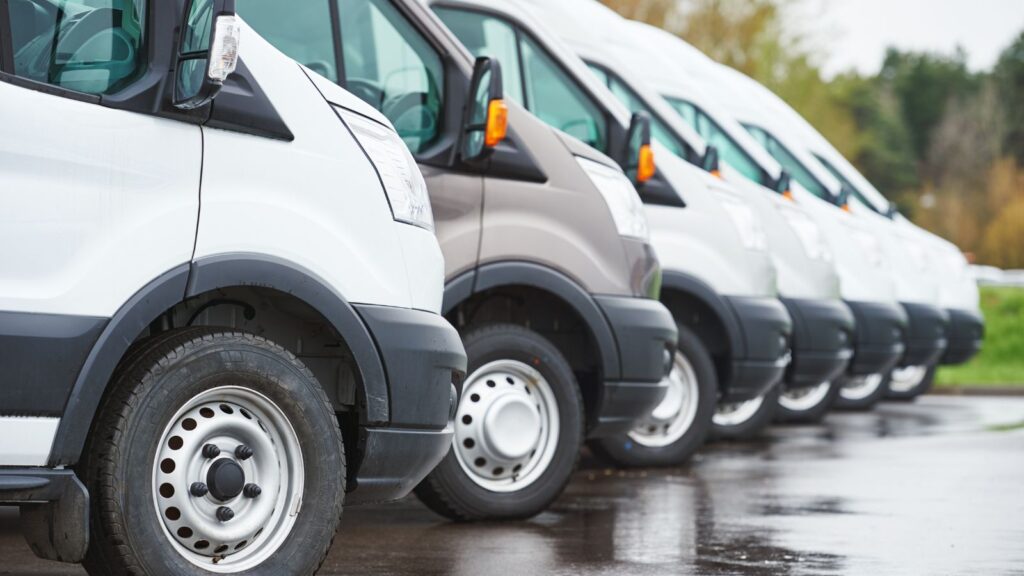
Making the Right Choice for Your Fleet
Choosing between mobile and traditional fleet repair services requires careful consideration of your priorities. Ask yourself:
- How critical is minimizing downtime for my operations?
- Do I require specialized repairs that only a shop can provide?
- How important is on-site convenience for my fleet managers and drivers?
- What are my compliance needs for DOT and ANSI inspections?
Why Mobile Wrench Excels in On-Site Fleet Repairs
As the oldest and most trusted mobile diesel service in Colorado, Mobile Wrench brings over 20 years of expertise to your yard or job site. Their certified diesel technicians provide preventive maintenance, DOT/ANSI inspections, diagnostics, and repairs for trucks, trailers, and heavy equipment. You enjoy reduced downtime, flexible scheduling, and reliable results, all without leaving your fleet unattended.
Mobile Wrench works with major fleet management companies and integrates smoothly with platforms for reporting, approvals, and billing. By choosing Mobile Wrench, you gain a responsive, reliable, and convenient partner who ensures your fleet operates at peak efficiency.
Conclusion
Both mobile and traditional fleet repair services have their advantages and limitations. Mobile services prioritize convenience, minimal downtime, and compliance, while traditional shops offer specialized equipment and controlled environments for complex repairs. Evaluating your fleet’s needs, budget, and operational priorities will help you make the right choice.
For fleets seeking flexibility, fast response, and on-site convenience, mobile services like Mobile Wrench provide a superior solution. Make one call, and your fleet is taken care of, with preventive maintenance, inspections, and repairs, all at your location.
Investing in the right repair strategy ensures your fleet remains safe, compliant, and productive while reducing costs and downtime. Your trucks, trailers, and equipment deserve expert care wherever they are.

Other Articles

E-Games Have Caught the Racing Fever!
Safety Tips for Driving on Highway 285 in Texas
