

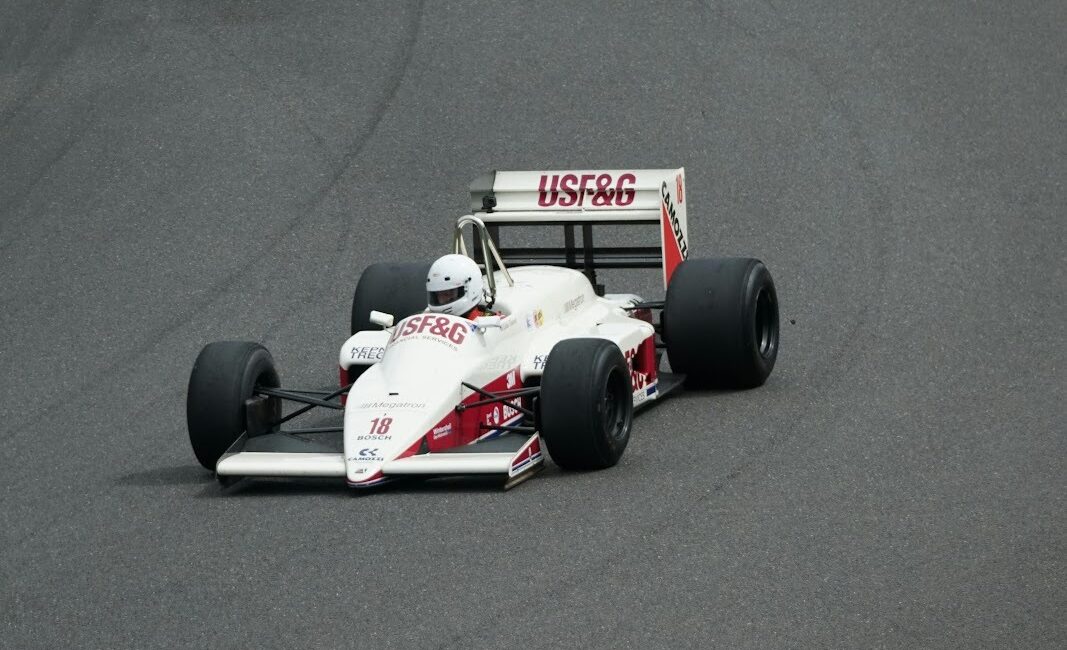
Monaco and similar street circuits expose drivers to relentless demands, as unforgiving layouts quickly reveal the boundaries of racecraft and control. Here, even the smallest mistake is punished by immediate consequence, shifting focus from outright speed to precise execution. The combination of technical and mental challenges on these unique tracks shows why they are the ultimate test of driver skill and vehicle control at the highest level.
Street circuits present a distinct challenge compared to traditional racetracks, most famously at Monaco. The circuit’s narrow lanes, varying surfaces and minimal room for error bring out the need for flawless car control. The ever-present threat of barrier contact highlights why precision is paramount. Getting your hands on Monaco F1 tickets and being able to see how Monaco requires drivers to blend technical ability with mental endurance is something truly once in a lifetime.
Track Characteristics Dictate the Limits of Control
Monaco is the benchmark for the challenges imposed by street circuits, with its tight geometry, relentless curves and close-proximity barriers shaping the way drivers approach every corner. The constant transition between different surface types, such as smooth tarmac, old pavement, and slippery painted sections, means that neither grip nor visual references can be assumed from lap to lap. Restricted sightlines through narrow urban canyons force drivers to trust their circuit memory and react instantly to changing track conditions.
Grip variations, caused by sudden changes in surface, patch repairs or temperature differences, require drivers to adjust their line and speed on the fly. In the Monaco F1 race, the surface can switch from cool and dusty to hot and rubberized within a few corners. Shadows from buildings and latent moisture can further surprise even experienced racers, making adaptability and acute sensory feedback central to survival on these streets.
Tire Management and Mechanical Grip on Unforgiving Surfaces
Mechanical grip is put to the ultimate test at Monaco, where tire performance becomes both a science and an art. The abundance of slow corners and the constant need for acceleration puts extraordinary stress on the tires. Overenthusiastic inputs can lead to overheating, while under-driving risks never bringing the tires up to optimal temperature. Early laps on a cold surface demand careful warming strategies, as building heat too quickly can compromise tire integrity later in a session. Sophisticated car control is essential to extract maximum grip on the unpredictable surface. Momentary inattention or overcorrection may result in immediate contact with the barriers, which is what makes this race so interesting to watch, as drivers need to be so switched on.
Mastering Braking and Rotation on City Streets
Braking at Monaco is unlike anywhere else, as the bumpy, inconsistent circuit surface amplifies every input. Drivers must apply just enough pressure to bring the car to the limit of grip without triggering a lock-up. Painted stripes, tarmac changes and varying camber can unbalance the car, demanding exceptional sensitivity and adaptability.
Adjustments to brake bias and differential settings are a constant process as grip levels evolve. Engine braking is often introduced to aid rotation into the tightest corners, minimizing the risk of rear lock on slick patches. Each fine-tuned setting and input can be the difference between executing a perfect lap and a costly incident, highlighting how street circuits push drivers’ control techniques to the extreme.
Smooth Inputs and Uncompromising Mental Focus
The streets of Monaco demand the smoothest and most deliberate inputs from drivers. Abrupt movements, whether in steering, throttle or braking, can instantly unsettle the car, especially over painted road markings. Progressive and controlled actions allow the tires to grip predictably, which is essential in an environment where every inch of asphalt is hard-won.
Equally crucial is the driver’s ability to read subtle visual cues: cracks in the tarmac, drain covers and shifting shadows become critical reference points. Maintaining focus amidst Monaco’s sensory overload is a challenge unto itself, requiring practiced vision discipline and anticipation. The cumulative effect is a competitive environment where every micro-adjustment manifests directly in lap times and race outcomes, underlining why Monaco remains the purest measure of control on the motorsport calendar.

Other Articles

Chevy C5 Corvette Long Tube Headers for Power and Sound